Impact of Rapid Urbanization & Industrialization on the Environment

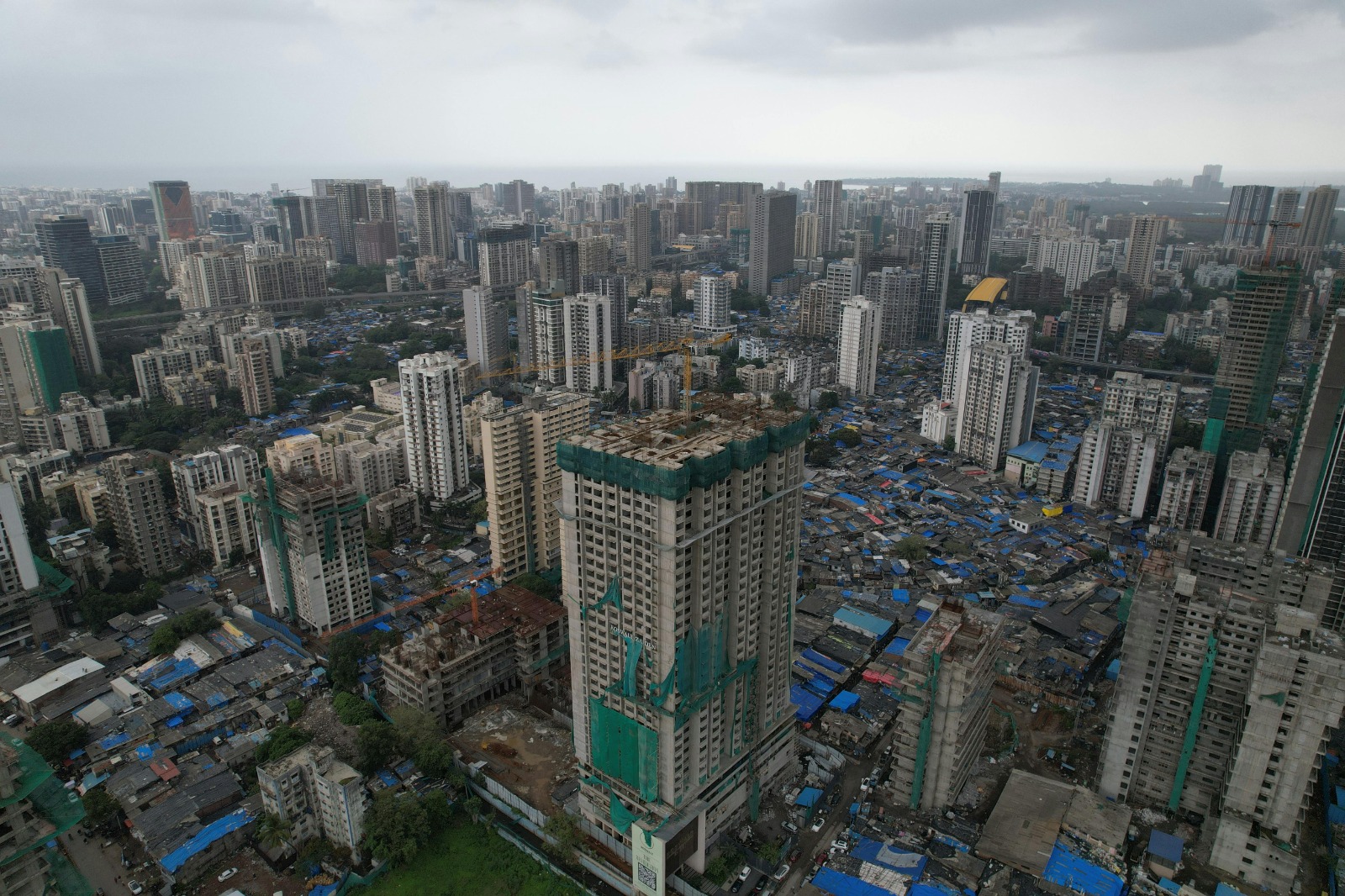
Rapid urbanization and industrialization are two sides of the same coin, driving economic growth but often at a steep environmental cost. As cities expand and industries multiply, the pressure on natural resources intensifies, leading to ecological imbalances that demand immediate attention.

1. Understanding the Drivers

  • Urbanization: The migration of populations from rural to urban areas in search of better employment, education, and lifestyle, leading to the expansion of cities.
  • Industrialization: The transition of an economy from agrarian to manufacturing and technology-driven, utilizing large-scale production methods.

2. Key Environmental Impacts

  • Air Quality Degradation: Increased vehicular emissions, industrial smoke, and construction dust contribute to smog and respiratory ailments.
  • Water Scarcity & Pollution: Higher demand for water depletes aquifers, while untreated industrial effluents and sewage contaminate rivers and oceans.
  • Loss of Biodiversity: Deforestation for urban sprawl destroys habitats, threatening flora and fauna.
  • Waste Management Crisis: The surge in solid, plastic, and electronic waste often outpaces disposal infrastructure, leading to landfills and pollution.

3. Socio-Environmental Consequences

  • Heat Islands: Urban areas become significantly warmer than their rural surroundings due to concrete structures retaining heat.
  • Health Issues: Pollution-linked diseases such as asthma, cardiovascular problems, and waterborne illnesses are on the rise.
  • Climate Change Acceleration: High carbon footprints from energy-intensive industries and transport sectors exacerbate global warming.

4. Pathways to Sustainability

  • Green Infrastructure: Incorporating parks, green roofs, and vertical gardens to improve air quality and reduce heat.
  • Circular Economy: Promoting recycling, reuse, and waste-to-energy initiatives to minimize landfill dependence.
  • Strict Regulations: Enforcing environmental laws and adopting cleaner technologies in industries.
  • Public Awareness: Educating citizens about sustainable living practices to reduce individual carbon footprints.
← Previous Blog Back to Blog