1. Vehicular Emission Standards: Bharat Stage (BS) Norms
India’s vehicular emissions are regulated by the Bharat Stage (BS) norms, which are aligned with European standards.
Key Milestones:
- BS I – IV: Gradual tightening from 2000–2017.
- BS VI (implemented from April 2020): Skipped BS V to leapfrog into cleaner technology.
BS VI Highlights:
- 80% reduction in PM (Particulate Matter) emissions from diesel engines.
- 70% cut in NOx emissions.
- Introduction of OBD (On-Board Diagnostics) and DPF (Diesel Particulate Filter).
- Mandatory use of low-sulfur fuel (10 ppm vs 50 ppm in BS IV).
Upcoming:
- BS VI Stage II (from April 2023 for new vehicles): Includes real-time driving emission testing (RDE).
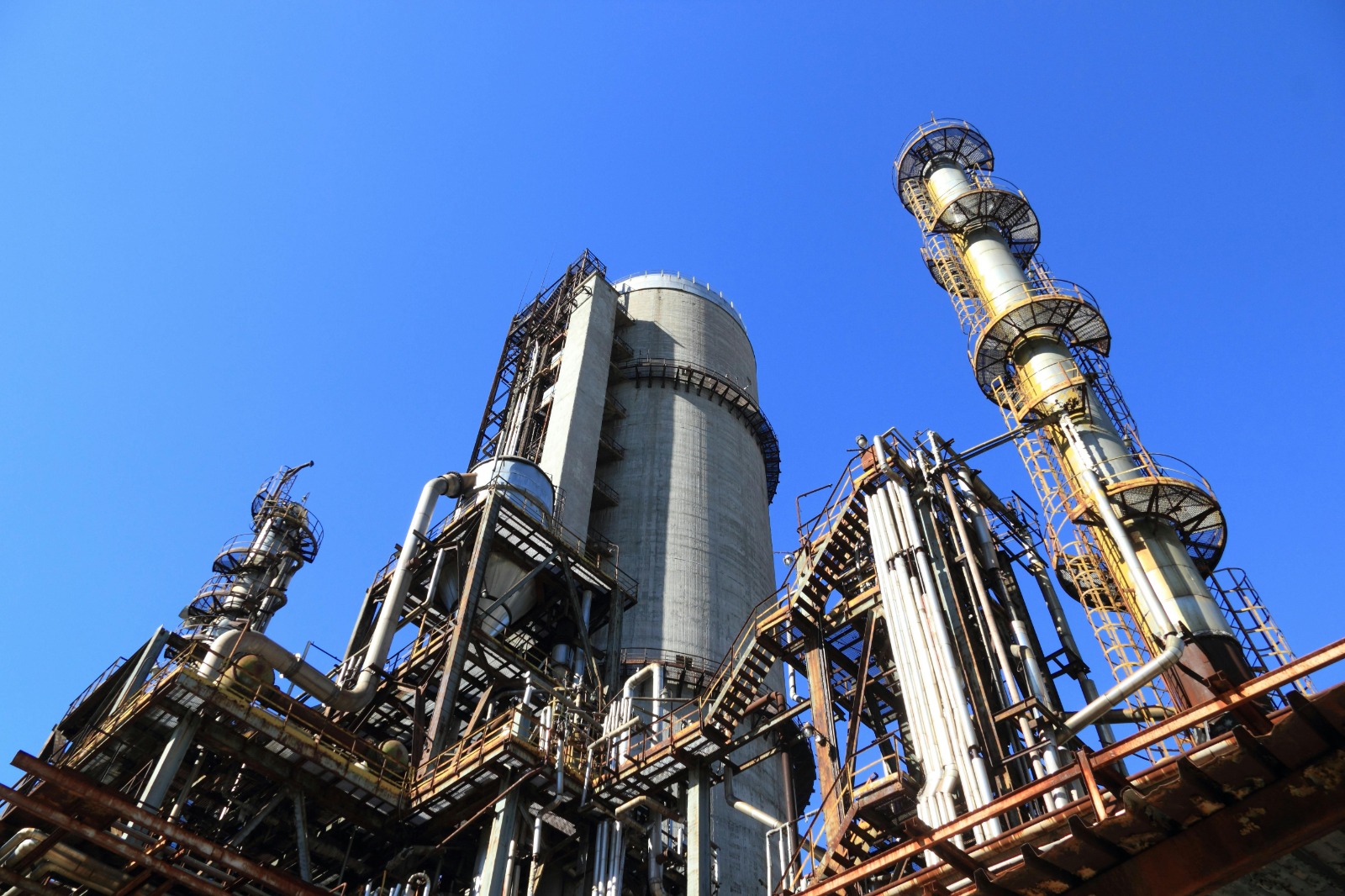
2. Industrial Emission Standards
India sets specific emission limits for industries like Cement, Iron & Steel, Pharmaceuticals, Pulp & Paper, Textiles, Fertilizers, and Chemical manufacturing.
Common pollutants regulated:
- Particulate Matter (PM10, PM2.5)
- Sulphur Dioxide (SO₂)
- Nitrogen Oxides (NOₓ)
- Carbon Monoxide (CO)
- Volatile Organic Compounds (VOCs)
Industries must install pollution control equipment like ESPs, scrubbers, bag filters, etc., and comply with Continuous Emission Monitoring Systems (CEMS).
3. Thermal Power Plant Emission Standards
Thermal power plants are major air polluters. In 2015, India introduced sector-specific limits on PM, SO₂, NOₓ, and Mercury (Hg).
Classification:
- Before 2003 (old plants): Relaxed limits.
- 2003–2016 (middle-aged): Moderate limits.
- Post-2017 (new plants): Stricter norms.
Desulfurization units (FGD) and low NOx burners are now being mandated for older plants.
4. DG Sets and Backup Generators
To control emissions from diesel generator (DG) sets, CPCB has set limits on smoke density, NOₓ, CO, and PM.
New norms (CPCB IV+ for gensets above 800 kW) require:
- Advanced combustion technology
- After-treatment systems
- Shift toward gas-based gensets or hybrid options
5. Real-Time Monitoring & Reporting
Many industries and power plants are now required to install CEMS (Continuous Emission Monitoring Systems) and CAAQMS (Ambient Air Quality Monitoring Systems).
Data is transmitted directly to CPCB/SPCBs. Non-compliance leads to:
- Show-cause notices
- Monetary penalties
- Closure directions under Section 5 of the EPA
6. Challenges in Implementation
Despite the laws, India faces real-world implementation gaps:
- Non-functional monitoring systems
- Lack of enforcement staff
- Small industries struggle with compliance costs
- Unregulated informal sectors (brick kilns, small foundries, etc.)